
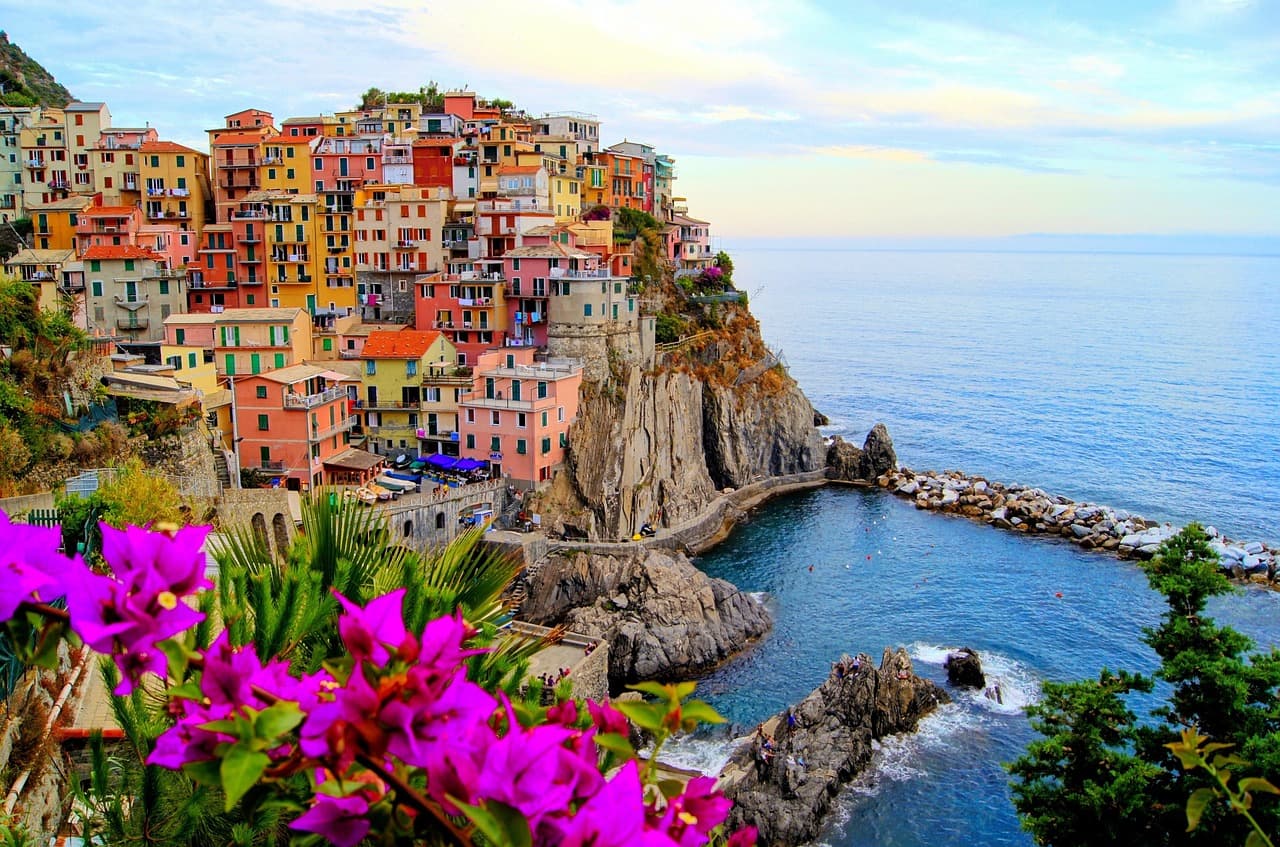
Italy is often seen as one of the most desirable places to live in Europe. With its rich culture, historic cities, and world-famous cuisine, it attracts thousands of expats every year. However, beyond the romantic image of “La Dolce Vita,” living in Italy comes with both advantages and challenges.
In this 2026 guide, we explore the real pros and cons of living in Italy, helping you decide whether it’s the right destination for your lifestyle or long-term plans.
Why People Choose Italy
Italy offers a unique combination of lifestyle and culture that is difficult to match anywhere else. From historic landmarks to scenic countryside and coastal towns, the country provides a visually rich and emotionally engaging environment.
For many expats, the biggest attraction is the slower pace of life. Daily routines are less rushed, and there is a strong emphasis on enjoying food, family, and social connections. This lifestyle shift alone makes Italy appealing for retirees, remote workers, and individuals seeking a better work-life balance.
Pros of Living in Italy
One of the strongest advantages of living in Italy is its overall quality of life. The country offers a blend of modern amenities and traditional living, creating a balanced lifestyle for residents.
Italy’s culture is deeply rooted in history, art, and community. From Renaissance architecture to local festivals, daily life feels culturally enriching. Food is another major highlight, with fresh, high-quality ingredients widely available and affordable. Eating well is not considered a luxury but a normal part of everyday life.
Healthcare is also a significant benefit. Italy’s public healthcare system is well-developed and provides access to affordable or low-cost treatment for residents. Many expats find the quality of care comparable to other top European countries.
Another important advantage is affordability outside major cities. While places like Rome and Milan can be expensive, smaller towns and southern regions offer much lower living costs, making it easier to maintain a comfortable lifestyle.
Italy also offers diverse living options. Whether someone prefers coastal living, countryside peace, or urban life, the country provides a wide range of environments to suit different preferences.
Cons of Living in Italy
Despite its many benefits, living in Italy comes with challenges that expats should carefully consider.
One of the most common issues is bureaucracy. Administrative processes such as visa applications, residency permits, and documentation can be slow and complex, often requiring patience and persistence.
The job market can also be difficult, especially for foreigners. Employment opportunities are limited in some sectors, and salaries are generally lower compared to other Western European countries. Without Italian language skills, finding stable work can be even more challenging.
Language is another barrier. While English is spoken in tourist areas, daily life in most parts of Italy requires at least basic Italian. This becomes particularly important when dealing with local authorities or integrating into the community.
Cost of living in major cities is another drawback. Cities like Milan, Rome, and Florence can be expensive, particularly in terms of housing, which may take up a large portion of income.
Additionally, the slower pace of life, while appealing to some, can be frustrating in professional or administrative situations where efficiency is expected.
Lifestyle and Daily Experience
Living in Italy offers a distinct lifestyle that emphasizes quality over speed. People tend to prioritize relationships, meals, and leisure activities over constant productivity. This cultural shift can be refreshing, especially for those coming from fast-paced environments.
At the same time, adapting to this lifestyle requires flexibility. Things may take longer than expected, and systems may not always function as efficiently as in other developed countries. Understanding and accepting this difference is key to a smooth transition.
Is Italy a Good Place to Live?
Italy can be an excellent place to live, depending on your priorities. It is particularly well-suited for individuals who value lifestyle, culture, and a relaxed environment over career-driven opportunities.
For retirees, digital nomads, and remote workers, Italy offers a highly attractive balance of affordability, beauty, and quality of life. However, for those seeking fast career growth or high salaries, the country may present limitations.
Conclusion
Living in Italy in 2026 offers a mix of opportunity and challenge. The country provides a high quality of life, rich cultural experiences, and diverse living environments. At the same time, factors such as bureaucracy, language barriers, and job market limitations require careful consideration.
Ultimately, the decision depends on your personal goals. If lifestyle and experience are your priorities, Italy remains one of the most rewarding places to live in Europe.